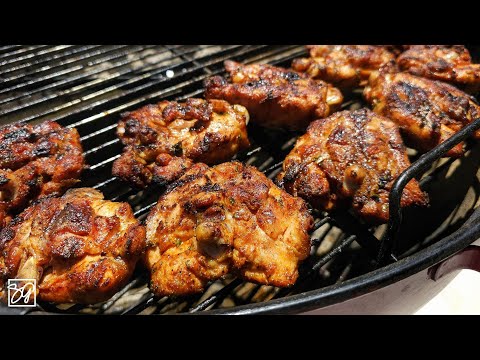
Mastering the Fundamentals: Why Most Grilled BBQ Chicken Fails (and How Yours Won't)
Ah, the classic grilled BBQ chicken. It's the undisputed king of summer cookouts, a promise of smoky, sweet, and tangy delight. Yet, for many home grillers, achieving that elusive perfection—meat that's tender and juicy, skin that's irresistibly crisp, and a flavor that penetrates every bite—remains a challenge. Too often, the result is dry, bland chicken with burnt patches and soggy, sauce-laden skin. But what if we told you that the secret to ultimate grilled BBQ chicken isn't a complex recipe, but rather a strategic approach built on a few core techniques?
The journey to truly spectacular extra-juicy grilled BBQ chicken begins by understanding where others often go wrong. Lean proteins like chicken are prone to drying out over high heat, while a thick, sugary BBQ sauce applied too early is a recipe for charring and bitterness. The solution lies in a three-pronged attack: pre-treatment for moisture, a powerful dry rub for flavor and texture, and careful grilling techniques.
The Juiciness Secret: Brine or Marinade?
When it comes to lean meats, moisture is king. Chicken, especially boneless, skinless cuts, can quickly become dry and stringy on the grill. This is where brining or marinating enters the picture, acting as a crucial first layer of flavor and moisture retention. Don't skip this step – it's the game-changer for consistently juicy BBQ chicken.
- The Power of Brining: A brine, typically a solution of salt and water (often with sugars and aromatics), works wonders by altering the protein structure of the chicken. The salt helps to denature the proteins, allowing them to hold onto more moisture during cooking. But for unlocking extra-juicy grilled BBQ chicken with an incredible depth of flavor, consider a liquid beyond plain water.
- Beer Brine Brilliance: A true pro-tip for elevated flavor and juiciness is to brine your chicken in beer. While it won't make your chicken taste like beer, the liquid acts as a fantastic vehicle for tenderization and imbues a subtle, complex richness. A full-bodied, dry, and hoppy beer like an IPA works exceptionally well. The hops contribute a slight bitterness that balances the sweetness of BBQ sauce, while the other compounds aid in breaking down the chicken's muscle fibers. For a quick boost, even 15-30 minutes can make a difference, but for maximum impact, brine your chicken for at least 4 hours, or ideally, up to 3 days in the refrigerator.
- Buttermilk Magic: If beer isn't your preference, buttermilk is another fantastic brining agent. Its mild acidity and enzymes help tenderize the chicken while keeping it incredibly moist.
The Flavor Powerhouse: Crafting the Perfect Dry Rub
Once your chicken is plumped with moisture, it's time to build the second layer of flavor: a robust dry rub. This isn't just about seasoning; a good dry rub forms a delicious crust, adds incredible depth, and contributes significantly to achieving that coveted crispy skin. A homemade dry rub allows you to customize the flavor profile, but generally, you'll want a balance of savory, sweet, smoky, and a hint of spice.
Common ingredients for an exceptional flavorful dry rub include:
- Savory & Aromatic: Garlic powder, onion powder, black pepper, kosher salt, dried thyme, oregano.
- Smoky & Earthy: Smoked paprika, chili powder, cumin.
- Sweet & Balancing: Brown sugar (crucial for caramelization and balancing the other flavors), a touch of regular sugar.
- Heat (Optional): Cayenne pepper, red pepper flakes.
Combine your chosen spices and herbs, then apply generously to all surfaces of the chicken. For skin-on pieces, gently lift the skin and rub some seasoning directly onto the meat underneath for maximum flavor penetration. Let the chicken sit with the rub for at least 30 minutes, or ideally, an hour or two in the fridge, allowing the flavors to meld.
Choosing Your Canvas: Any Chicken Part, Perfected
One of the beauties of this ultimate grilled BBQ chicken method is its versatility. Whether you're a fan of lean white meat or rich dark meat, bone-in or boneless, this approach will deliver juicy, flavorful results across the board. The best chicken parts to use for BBQ chicken are truly whatever you love most!
- Bone-In Cuts (Thighs, Drumsticks, Leg Quarters, Wings): These are often the preferred choice for grilling due to their higher fat content and the bone, which helps to conduct heat evenly and keep the meat moist. Bone-in, skin-on chicken thighs, for instance, are incredibly forgiving and result in fantastically juicy meat with an exceptional crispy skin. The fat renders beautifully on the grill, adding flavor and contributing to that satisfying exterior crunch. Wings also fall into this category, offering a smaller, snackable option that benefits immensely from brining and a dry rub.
- Boneless Cuts (Breasts, Thighs): Boneless chicken parts will cook faster, but they are also more prone to drying out. This makes the brining or marinating step even more critical. While boneless breasts can be tricky, our method will help them stay tender and moist. Boneless, skinless thighs remain a fantastic choice for their inherent juiciness and rich flavor, even without the bone.
No matter your selection, the foundational steps of brining and applying a dry rub will ensure a superior result. Be mindful that different cuts will have varying cooking times, so adapting your grilling technique (and using a meat thermometer!) is key.
The Art of the Grill: Indirect Heat & Crispy Skin Strategy
With your chicken prepped with a flavorful dry rub and a juicy brine, the final, crucial step is the grilling itself. This is where strategic heat management and precise timing come into play to achieve that perfect balance of smoky char, tender interior, and crispy skin.
Mastering Indirect Grilling
The single most important technique for preventing burnt exteriors and undercooked interiors is indirect grilling. This method allows the chicken to cook gently and thoroughly without being exposed to direct, scorching flames. If you have a gas grill, simply light burners on one side and place the chicken on the unlit side. For a charcoal grill, push the coals to one side, creating a hot zone and a cooler zone.
- Slow and Steady Wins the Race: Start your chicken on the indirect side of the grill, lid closed, maintaining a consistent medium heat (around 350-375°F or 175-190°C). This allows the chicken to cook through evenly, rendering fat and building flavor without burning.
- Monitoring Temperature: Always use a reliable meat thermometer. Chicken is safely cooked when it reaches an internal temperature of 165°F (74°C). For bone-in dark meat, many chefs prefer to cook it a bit higher, to 170-175°F (77-80°C), where the collagen breaks down further, resulting in even more tender and juicy results.
The Crispy Skin and Saucing Strategy
Achieving truly crispy skin on grilled BBQ chicken while avoiding the dreaded soggy, saucy mess requires careful timing:
- The Rub's Role: The dry rub, especially with its sugar content, plays a vital role in creating a delicious, slightly caramelized crust. The initial indirect cooking will also help render the fat in the skin, making it crispier.
- Strategic Sauce Application: This is where most people go wrong. Applying BBQ sauce too early means the sugars will burn, and the moisture will make the skin soggy. Instead, wait until the chicken is almost fully cooked—about 10-15 minutes before it reaches its target internal temperature. Move the chicken to the direct heat side of the grill (if using) or increase the heat over the chicken. Baste generously with your favorite BBQ sauce, flipping occasionally, to allow the sauce to caramelize and create that sticky, finger-licking glaze.
- Pro Tip for Ultimate Crispy Skin: For skin-on pieces, if you want the absolute crispiest skin, only add BBQ sauce to the skin-on side during the last few minutes of grilling, or even better, brush it on immediately after removing the chicken from the grill, just as you serve it. Soggy, saucy chicken skin is truly no good!
- Final Sear (Optional but Recommended): Once sauced, a quick sear directly over the hotter part of the grill for a minute or two per side can add beautiful char marks and further crisp up the skin, but watch carefully to prevent burning.
After grilling, always let your chicken rest for 5-10 minutes off the heat, loosely tented with foil. This allows the juices to redistribute throughout the meat, ensuring every bite is as succulent as possible.
The Ultimate Grilled BBQ Chicken Experience Awaits
You now possess the secrets to transforming ordinary chicken into extraordinary grilled BBQ chicken. By embracing the power of brining or marinating, crafting a flavorful dry rub, and mastering the art of indirect grilling with strategic sauce application, you're not just cooking chicken—you're creating an experience. Each bite will deliver on the promise: perfectly crispy skin, unbelievably juicy meat, and a depth of flavor that's both smoky and sweet, tangy and savory.
So fire up your grill this summer, choose your favorite chicken parts, and prepare to impress. This isn't just a recipe; it's a technique, a philosophy that guarantees your grilled BBQ chicken will be the highlight of any gathering. Enjoy the process, savor the aroma, and delight in the ultimate grilled BBQ chicken experience.
