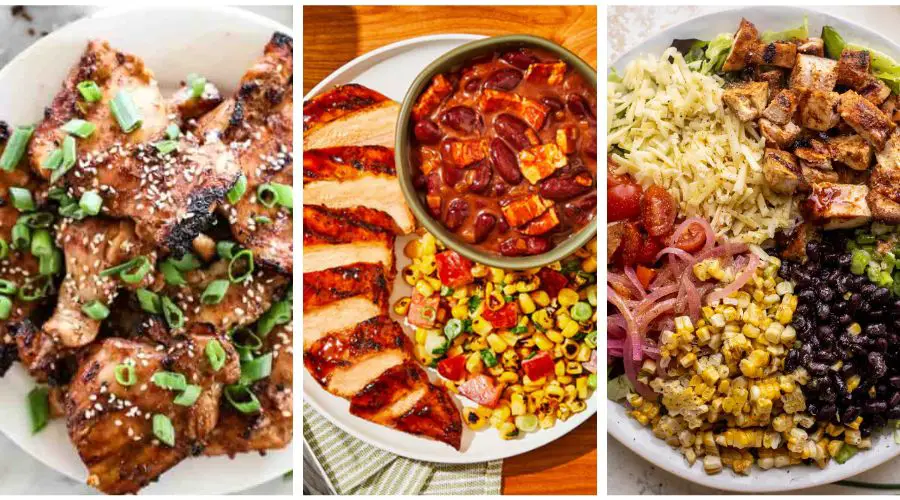
Summer days practically beg for the smoky aroma and irresistible taste of perfectly grilled BBQ chicken. While this quintessential outdoor meal might seem straightforward, achieving that ideal balance of tender, juicy meat with a flavorful, caramelized crust can be surprisingly elusive. Many have faced the disappointment of dry, tough chicken or an over-charred exterior. But fear not! Our comprehensive guide will transform your grilling game, helping you master the art of Unlock Extra-Juicy Grilled BBQ Chicken: Brine, Rub & Indirect Grilling, yielding a summer staple so delicious, it’s sure to become your new go-to.
The secret lies in a multi-layered approach to flavor and technique: a quick brine for unparalleled juiciness, a homemade dry rub for depth, and the magic of indirect grilling for even cooking and that coveted smoky finish. Forget those bland, dry chicken experiences; get ready for irresistibly sticky, finger-licking BBQ chicken that will have everyone asking for your recipe.
The Foundation of Flavor: Brining for Unbeatable Juiciness
One of the biggest challenges when grilling chicken, especially lean cuts like breasts, is preventing it from drying out. The high heat of the grill can quickly strip moisture, leaving you with a rubbery result. This is where brining comes into play, a crucial step for ensuring your grilled BBQ chicken remains incredibly tender and moist from the first bite to the last.
Why Brine? The Science Behind the Juiciness
Brining involves soaking chicken in a salted liquid before grilling. This process works on two main levels:
- Moisture Retention: The salt in the brine denatures the proteins in the chicken, causing them to unravel slightly. When these proteins cook, they coagulate and trap moisture more effectively, preventing much of the natural moisture loss that typically occurs during grilling.
- Flavor Infusion: Beyond just salt, the brine can be infused with other aromatics and liquids, allowing these flavors to penetrate deeper into the meat.
Our Favorite Brine: The Beer Brine Advantage
While a simple salt and water brine works wonders, incorporating beer or even buttermilk elevates the flavor profile significantly. Our top recommendation for extra-juicy grilled BBQ chicken is a beer brine. Don't worry, it won't make your chicken taste like beer! Instead, a full-bodied, dry, and hoppy beer like an IPA adds a deep, rich umami flavor that perfectly complements the smoky char of the grill.
Pro Tip: Brine your chicken for at least 30 minutes, but for optimal results and deeper flavor, aim for 2-4 hours. You can even brine it in the fridge for up to 3 days!
Crafting Your Signature Flavor: The Ultimate BBQ Dry Rub
Once your chicken is brined, the next layer of flavor comes from a robust dry rub. This isn't just about surface seasoning; a good dry rub forms a beautiful crust, caramelizes under heat, and locks in even more deliciousness. Skip the store-bought packets and whip up your own — it’s surprisingly easy and allows for endless customization.
A Versatile Dry Rub Recipe for Grilled BBQ Chicken
This balanced rub offers a perfect blend of savory, sweet, smoky, and a hint of heat, ideal for any cut of chicken:
- 2 tablespoons smoked paprika (for color and smoky depth)
- 1 tablespoon brown sugar (for sweetness and caramelization)
- 1 tablespoon garlic powder
- 1 tablespoon onion powder
- 1 teaspoon black pepper
- 1 teaspoon salt (adjust if chicken has been brined)
- ½ teaspoon cayenne pepper (optional, for a kick)
- ½ teaspoon dried oregano
- ¼ teaspoon cumin
Combine all ingredients thoroughly. For best results, apply the rub liberally to all sides of your brined (and patted dry!) chicken pieces. Gently massage it in, ensuring every crevice is coated. Allow the rubbed chicken to rest in the refrigerator for at least 30 minutes, or up to 4 hours, to let the flavors meld and the rub adhere.
Mastering the Grill: Indirect Heat for Perfectly Cooked Chicken
This is arguably the most critical technique for achieving tender, moist grilled BBQ chicken without burning the outside. Direct high heat can quickly char the exterior while leaving the inside undercooked. Indirect grilling, however, provides a more gentle, oven-like environment, allowing the chicken to cook through evenly while still absorbing that wonderful smoky flavor.
Setting Up Your Grill for Success
- Gas Grill: For indirect heat, simply light one or two burners on one side of your grill to medium heat, leaving the other burners off. You'll cook the chicken over the unlit side. Aim for a consistent grill temperature of 350-375°F (175-190°C).
- Charcoal Grill: Arrange your hot coals to one side of the grill, creating a direct heat zone. You'll place your chicken on the grate over the area with no coals, which is your indirect heat zone. You can also add a drip pan under the indirect zone to catch juices and help keep the grill clean.
Grilling Process for Tender Chicken
- Preheat your grill to the target indirect temperature.
- Place the rubbed chicken pieces over the indirect heat zone.
- Close the lid and cook, turning occasionally, until the chicken reaches an internal temperature of 165°F (74°C). Cooking times will vary depending on the cut:
- Bone-in thighs/drumsticks: 35-50 minutes
- Boneless breasts: 20-30 minutes
- Wings: 25-40 minutes
- For that ultimate crispy skin and a little extra char, you can briefly move the chicken over direct heat for 2-3 minutes per side during the last stage of cooking, but watch closely to prevent burning.
For more detailed grilling techniques and tips on different chicken parts, explore our guide: The Ultimate Grilled BBQ Chicken: Crispy Skin, Juicy & Any Chicken Part.
The Saucing Strategy: When & How to Add That Sticky Finish
The final touch for any great grilled BBQ chicken is that sweet, tangy, and sticky BBQ sauce. However, timing is everything! Applying sauce too early is a common mistake that leads to burnt sugar and a bitter taste.
The Golden Rule of BBQ Saucing
Because most BBQ sauces are high in sugar, they caramelize quickly and then burn if exposed to high heat for too long. Therefore, only apply your BBQ sauce during the last 10-15 minutes of cooking. This allows the sauce to gently thicken and caramelize without scorching, creating that irresistible glazed finish.
- Once your chicken is nearly cooked through (about 15 minutes before it reaches 165°F), brush it generously with your favorite BBQ sauce.
- Flip the chicken and brush the other side.
- Continue cooking over indirect heat, turning every few minutes, until the sauce is beautifully caramelized and sticky, and the chicken has reached its safe internal temperature.
Choosing Your Chicken: From Thighs to Wings
This versatile recipe works wonderfully with virtually any cut of chicken. While bone-in, skin-on chicken thighs are often a favorite (thanks to their higher fat content, which keeps them extra juicy and flavorful), feel free to use whatever you love most:
- Chicken Breasts: Boneless, skinless breasts are lean, so brining is especially important here. Keep an eye on the internal temperature to avoid overcooking.
- Chicken Thighs: Bone-in, skin-on thighs are incredibly forgiving, remaining juicy even if slightly overcooked. The skin also crisps up beautifully with the dry rub.
- Drumsticks & Leg Quarters: Excellent for grilling, offering a great meat-to-bone ratio and plenty of flavor.
- Chicken Wings: Perfect for appetizers or a lighter meal, these cook relatively quickly and become wonderfully crispy.
No matter your choice, ensure pieces are relatively uniform in size for even cooking, or adjust cooking times accordingly.
Conclusion: Your New Summer BBQ Staple
Armed with these techniques—a thoughtful brine, a flavorful dry rub, the precision of indirect grilling, and smart saucing—you're now ready to craft the most delicious grilled BBQ chicken of your life. This isn't just a recipe; it's a method that guarantees tender, juicy meat infused with layers of savory, smoky, and sweet flavors, crowned with a perfectly caramelized glaze. Get ready to fire up your grill, embrace the summer spirit, and enjoy the ultimate backyard BBQ feast that will undoubtedly become your household's most requested warm-weather meal.
